The River Thames Guide
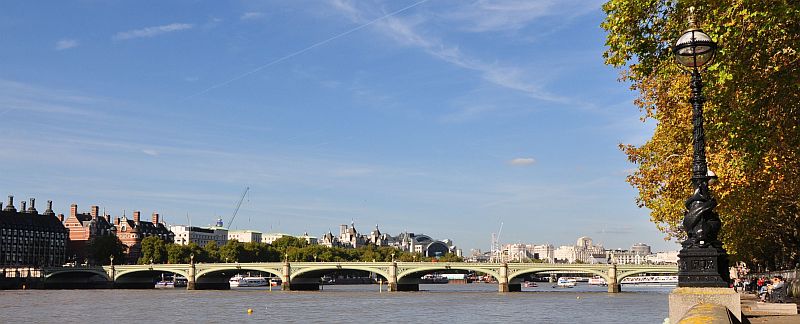
Five major crossings connect Chelsea, Battersea, Vauxhall and Westminster. This central London stretch rewards a walk along the embankments, with bridge engineering set against some of the capital’s best-known riverfront buildings.
History and visitor information reviewed .
In this bridge guide
Chelsea Bridge and Grosvenor Railway Bridge
Chelsea Bridge was built in 1934–37 by London County Council engineers under Sir T Peirson Frank. It is a self-anchored suspension bridge. Nearby Grosvenor Railway Bridge is a group of parallel railway structures carrying trains towards Victoria; it is not a pedestrian crossing.


Vauxhall Bridge
The present Vauxhall Bridge opened in 1906, replacing the earlier nineteenth-century bridge. Alexander Binnie and Maurice Fitzmaurice were responsible for its engineering. Look for the bronze figures by Frederick Pomeroy and Alfred Drury on the piers: these are an important part of the bridge’s architectural character.

Lambeth Bridge
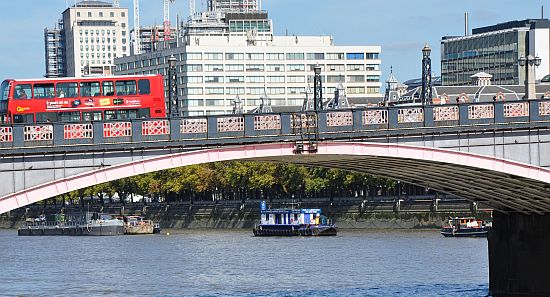
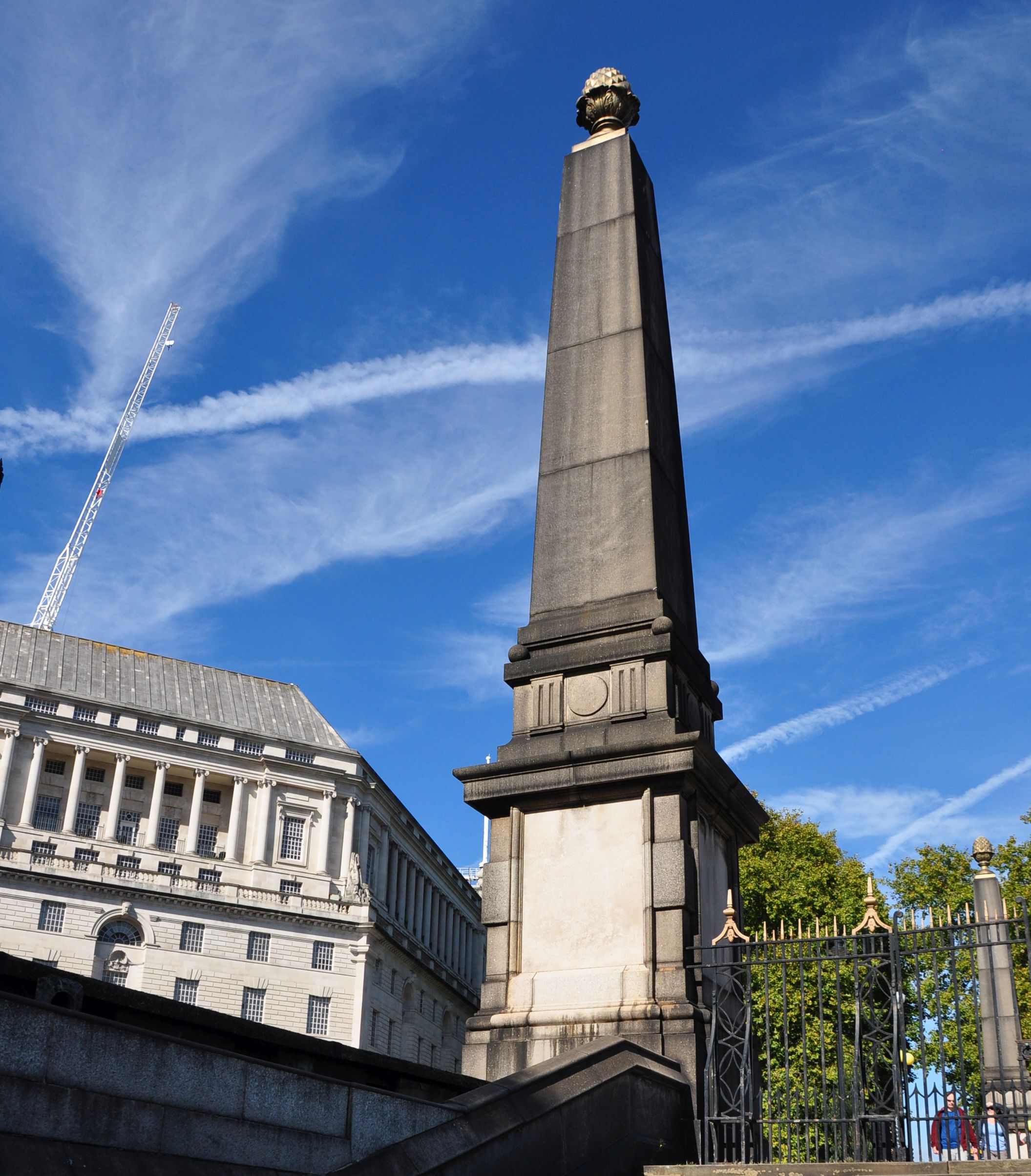
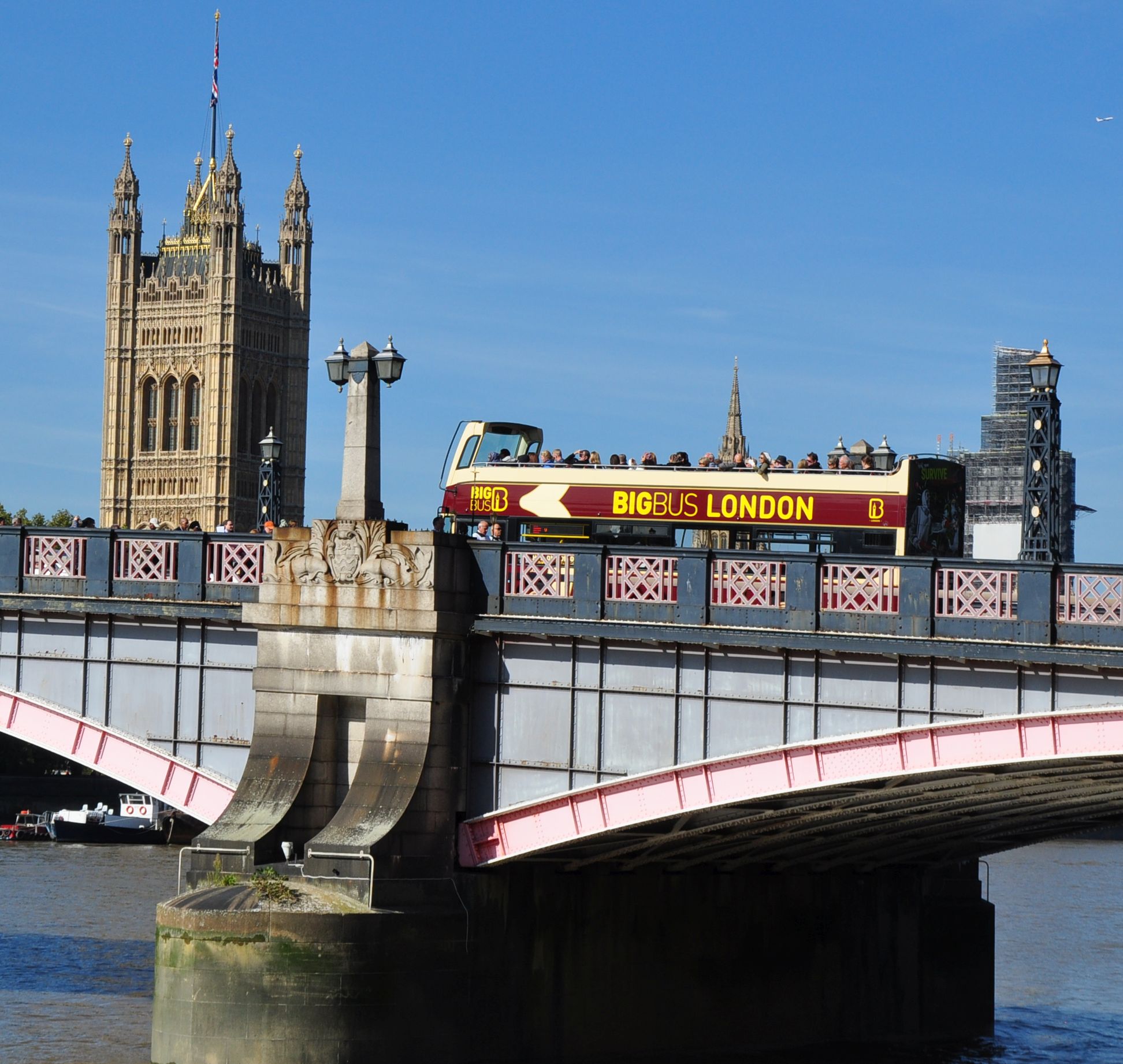
Lambeth Bridge opened on 12 July 1932. Its engineering was led by George William Humphreys, with architectural work by Reginald Blomfield and George Topham Forrest. The bridge links the Lambeth Palace side of the river with Millbank. The prominent obelisks at its ends are useful landmarks when exploring the embankments.

Westminster Bridge
The present Westminster Bridge dates from 1862 and was designed by Thomas Page. It is therefore later than the crossing associated with Wordsworth’s famous poem. Views towards the Palace of Westminster make the bridge a popular place to pause, but leave room for people using the footway. Continue to the next guide for Hungerford, Waterloo and the bridges farther east.